Adjusting to Campus Life
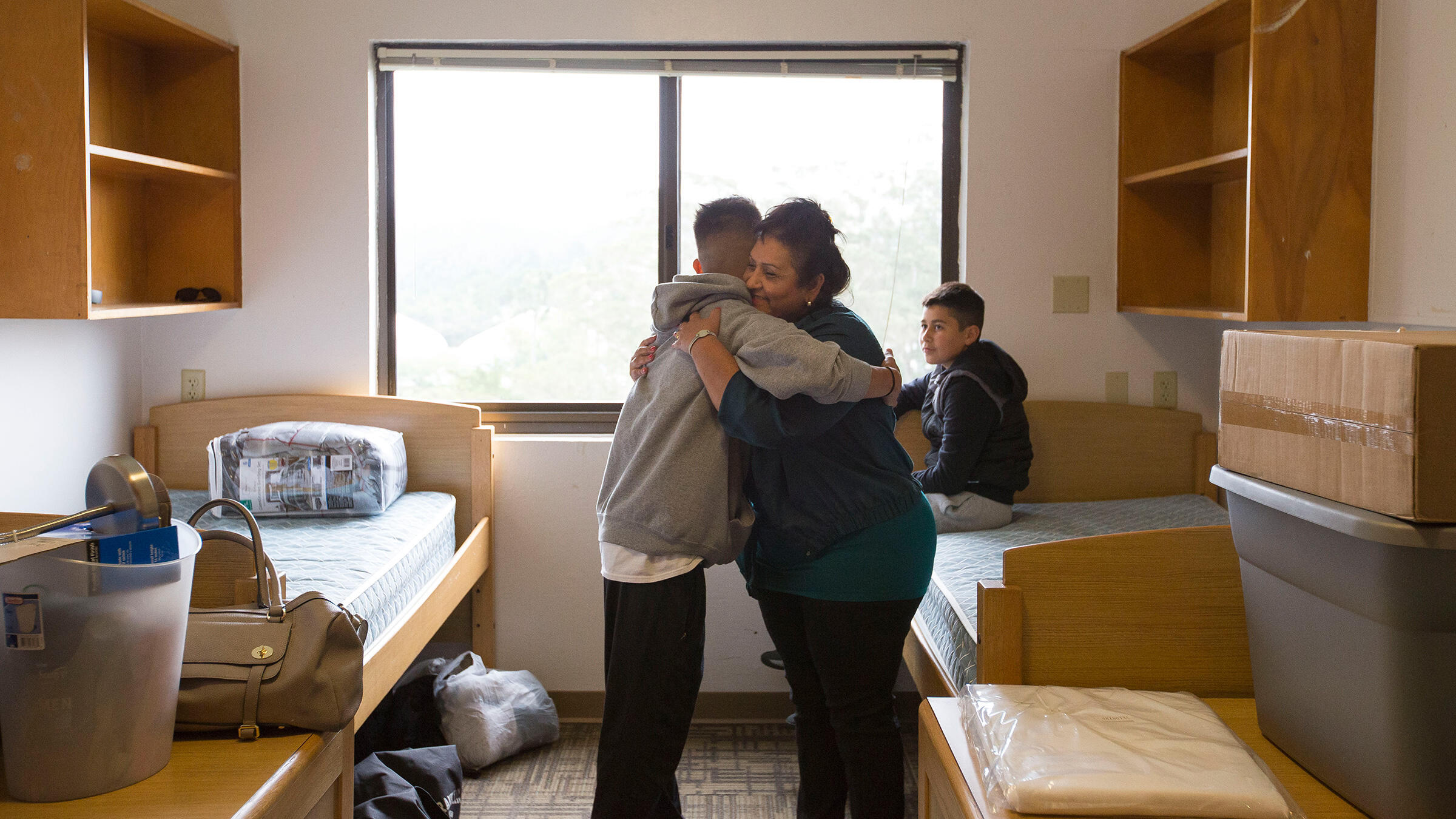
Excited, anxious, liberated, homesick — these feelings are all common during the transition to college life. Living on your own for the first time is a major life change, and it’s important to give yourself space for big emotions. We’ve gathered helpful tips on what’s normal, what to expect, and how Residential Life supports you along the way.
What to Expect When Living on Campus
Learn what to expect as you transition to college life at SFSU. Explore common challenges, stressors and practical tips for adjusting and maintaining your wellbeing in the residential community.
New Environments and Roommates
When you move into a campus residence, you’ll likely be adjusting to several big changes. It might be your first time living away from home or sharing a space with a roommate. You’ll meet people from different backgrounds and learn how to communicate, set boundaries, and build connections. These new experiences can be challenging, but they also help you grow and learn more about yourself and others.
More Freedom, More Decisions
Living on your own means making your own choices about how you spend your time and shape your daily life. It’s exciting and sometimes a little overwhelming. Be patient with yourself as you learn by doing; no one gets everything right the first time. With each decision, you’ll gain confidence and start to feel more in control of your independence.
Taking on Responsibility
A few things to keep in mind when caring for yourself:
- Eat regularly
- Get enough sleep
- Maintain your health
- Stay connected with friends and loved ones
- Be part of your campus community
Living on campus can make these responsibilities easier to manage with meal plans, the Gator Health Center and academic advisors here to support you. If you ever need help balancing classes or managing daily tasks, remember that you’re not alone. Talk to your RA, area coordinator, or clinical counselor. We’re all here to help you adjust and succeed.
Changing Relationships
When you move to a new place, it’s normal to notice changes in your relationships with family, friends, and partners. You might miss seeing someone every day or feel guilty when you’re spending time with new friends. Remember, you can stay connected while building new relationships here.
Long-distance care can look like weekly calls, quick texts, video chats, or even sending a card around the holidays. However you choose to stay in touch, know that it’s normal to feel a mix of emotions as things shift. And if you ever need support, reach out to your friends, RA, or our Residential Life team, we’re here for you.
Managing Your Time and Academics
College classes often require more work outside the classroom, so developing good time management habits early can make a big difference. Balancing academics, personal life, and other responsibilities takes practice — everyone struggles with it at first.
Try these strategies to stay organized and focused:
- Keep a planner or digital calendar with test dates, deadlines, and key events.
- Break larger tasks into smaller, manageable steps.
- Schedule regular study hours each week — and stick to them.
- Reward yourself when you reach a goal.
- Use a timer or watch to stay on track.
- Join a study group for structure and support.
Remember, you don’t have to manage academics on your own. Talk with your professors, reach out to your department, connect with a tutor, or visit programs like the Student Success Program for peer support. The more you use the resources available, the easier it will be to stay on top of your coursework and feel confident in your progress.
Tips for Adjusting to Campus Life
Adjusting takes time. Give yourself space to settle in, build routines, and reach out for support when you need it.
Join a club, attend a hall event, or volunteer. The more you connect, the more campus will start to feel like home.
SFSU has many people ready to help: Your RA, Residential Life staff, advisors, and Counseling and Psychological Services. Don’t hesitate to reach out. See our list of team members.
Eat well, rest, move your body, and stay connected with friends and family. A healthy routine makes everything else easier to manage.
Mental Health Resources
Active Minds at SF State
A student-led organization that promotes mental health awareness, education, and advocacy on campus. Active Minds hosts events and campaigns to reduce stigma and create open conversations about mental health.
Clinical Counseling Appointments
Residential Life partners with Counseling & Psychological Services to support on-campus residents. If you’re feeling anxious, depressed, grieving, or struggling to adjust to college life, our Clinical Counselor is here to listen—free of charge. To schedule an appointment, call (415) 338-2208 and let them know you’re a resident living on campus.
If this is a life-threatening emergency, contact University Police at (415) 338-2222 or reach out to your Resident Assistant or Area Coordinator for help.
Community Psychiatry
A network of private practice psychiatry offices throughout Northern California that connects students with psychiatrists or therapists covered by their insurance for evaluation and treatment.
Half of Us
A project from mtvU and the Jed Foundation that shares videos of students and public figures discussing how they’ve coped with mental health challenges, helping others feel less alone.
Know the Signs
A California suicide prevention campaign that teaches how to recognize warning signs, start a supportive conversation, and connect someone in crisis to help.
MentalHelp.net
A comprehensive website offering articles, news, and resources on mental health topics, wellness, and treatment options.
National Institute of Mental Health (NIMH)
A government resource with up-to-date research, education materials, and information on mental health conditions and treatments.
The JED Foundation
A national nonprofit dedicated to protecting emotional health and preventing suicide among teens and young adults through education, research, and campus partnerships.